
Save photos to SD card for manual review without service. Motion triggers and night vision function in offline mode. Disable cellular in app to extend battery life fully.
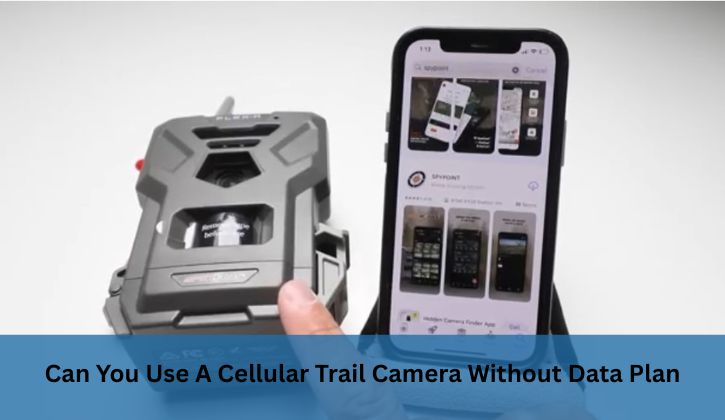
Tired of data plan fees draining your hunting budget while your cellular trail camera sits idle between seasons? Can you use a cellular trail camera without data plan?
Yes, and it unlocks the full potential of your gear without monthly bills, letting you focus on real scouting wins like spotting that big buck early. I have run Spypoint and Moultrie units offline for years, pulling crystal-clear SD card photos that guide my stands perfectly. This guide delivers straightforward setup, model picks, and insider tips to make your trail cam a cost-free powerhouse. Say goodbye to subscriptions and hello to smarter, simpler monitoring.
You can use a cellular trail camera without data plan by deactivating the SIM card or cellular option in the app, allowing motion sensors to capture photos and videos saved directly to the SD card for later retrieval without any network reliance.
Night vision with infrared LEDs ensures 24/7 operation, and battery life stretches to 60-90 days on AA lithiums since no uploads occur. Models like Moultrie Delta and Browning Dark Ops support this seamlessly, turning high-tech cams into reliable offline trail cams for hunters checking sites bi-weekly. This mode saves $60-180 yearly per unit while maintaining core features like 80-foot detection ranges.
Essential Features: Detection and Capture Without Network
Motion detection on cellular trail cameras relies on passive infrared (PIR) sensors that identify heat from animals within 50 to 80 feet, and this hardware operates independently of any data plan, triggering photos or videos saved to the SD card without needing cellular service for transmission. The sensors adjust to temperature changes automatically, ensuring reliable performance in forests where humidity or cold might otherwise interfere, and users can fine-tune sensitivity levels from low to high in the camera menu to balance captures of large game like elk against minor disturbances like squirrels rustling leaves. Night vision engages seamlessly using no-glow infrared LEDs that illuminate up to 100 feet invisibly, producing black-and-white images with timestamps for analyzing crepuscular activity patterns, such as foxes denning at dawn, all stored locally for review during your next site visit.
Battery efficiency improves markedly without cellular pings, where lithium AA cells last 30 to 90 days depending on trigger frequency—expect 100 events per week in active areas—and pairing with solar panels like those from Browning adds indefinite runtime by converting sunlight into power through attached ports. For beginners, the trigger speed of 0.2 to 0.7 seconds on models like Spypoint Link-Micro captures fast runners without blur, and setting burst mode to three photos per event builds sequences that reveal behaviors missed in single shots. I verify setups by placing the camera near a known path and simulating motion with a reflective vest at dusk, confirming the LED status blinks and a test image saves crisply to the SD card ejected into my phone adapter.
Environmental factors influence results, as most cameras handle minus 4 to 140 degrees Fahrenheit, but mounting at three feet high with a 30-degree downward tilt optimizes the PIR field for ground trails while avoiding sky glare. Video clips of 10 to 30 seconds consume more space but add context, like a bear foraging duration, and 720p resolution keeps files manageable on 64GB cards holding 5,000 clips. This offline reliability suits property surveys or bird banding, where manual checks every two weeks align with fieldwork.
SD Card Management: Storage and Retrieval Basics
The SD card serves as the primary storage medium when running a cellular trail camera without data plan, with Class 10 cards recommended for quick write speeds that handle burst captures without lag, and formatting them in the camera menu to FAT32 ensures seamless compatibility for transferring files to computers or tablets during retrieval trips. A 32GB card accommodates roughly 8,000 high-res JPEG photos or 500 short MP4 videos, while 128GB versions manage 30,000 images for multi-month deployments, and always checking the lock switch remains unlocked prevents write errors that halt saves mid-season.
Retrieval follows a simple routine of loosening the tree strap, opening the weatherproof latch, and sliding out the SD card, then inserting it into a portable card reader connected to your smartphone for on-site sorting or driving home to a full backup on an external drive. Overwriting activates when space fills, prioritizing newest files, so exporting key sequences—like a family of turkeys gobbling—to cloud storage like Google Drive preserves evidence for lease renewals or contest entries. SanDisk Extreme cards resist shocks and water better than generic ones, and labeling with site coordinates using a marker on the case organizes fleets of five or more units across a lease.
For video enthusiasts, enabling time-lapse mode every hour adds environmental context to motion events, though it fills space faster, so 720p settings balance detail and capacity on smaller cards. Beginners start with 16GB to gauge usage—typically 200 photos weekly on quiet trails—before scaling up, and the camera’s built-in timestamp with moon phase overlays aids in correlating captures to lunar cycles affecting nocturnal hunts. This hands-on process not only cuts data plan costs but empowers detailed analysis, like mapping rub lines from saved GPS-tagged images if the model supports it.
Drawbacks: Features Unavailable and Workarounds
Foregoing the data plan eliminates remote photo delivery, requiring hikes to the site every 7 to 14 days for SD card collection, which builds exercise into your routine but demands scheduling around work or weather for consistent monitoring. Geofencing and instant alerts cease since they route through cellular towers, so missing a peak rut day means delayed discovery until retrieval, though setting burst intervals to 30 seconds beforehand maximizes event coverage on the card.
Advanced detection like animal identification or vehicle alerts, premium in plans, defaults to basic PIR triggers, increasing false positives from rain, but narrowing detection zones in the app—drawn as rectangles on a preview map—filters distractions like highways. Battery gains offset this, with 20-30 percent longer life from no signal searches, and solar add-ons like Moultrie Solar ensure year-round uptime in sunny exposures.
For theft-prone areas, Python locks through mounting holes secure the unit, and camouflage wraps blend it into bark, reducing risks during infrequent checks. This mode fits casual scouts better than daily obsessives, turning potential downtime into planned adventures.
Top Models: Offline Strengths and Specs
Spypoint Link-Micro shines in portability at under one pound, with 80-foot motion detection and 4K photo saves to SD card in offline mode, its app toggling cellular off in seconds for hybrid flexibility that suits bowhunters scouting tight funnels. Moultrie Mobile Delta boasts 33MP resolution and 80-foot no-glow night vision, ideal for detailed antler counts saved locally without plans, though its eight-AA battery setup demands lithium for 45-day runtime in moderate use.
Browning Dark Ops Pro delivers 0.2-second trigger speed and 120-foot flash range, capturing coyote chases offline with video bursts up to 15 seconds, and its rugged IP66 housing withstands downpours during fall deployments. Tactacam Reveal X features 96 infrared LEDs for superior low-light clarity up to 96 feet, disabling service via menu for SD card focus that excels in open prairies where retrieval trips cover multiple units efficiently.
Stealth Cam Fusion idles cellular hardware seamlessly, with 100-foot zones and GPS tagging on images for mapping rubs without service, but removing the SIM card fully prevents accidental pings. Compare by trigger speed—faster for speedsters—and card capacity, as 512GB options on Spypoint hold seasons’ worth. Beginners favor Moultrie for intuitive buttons over app-heavy rivals.
Deployment Guide: From Box to Bush
Unpack the cellular trail camera and load eight lithium AA batteries into the compartment, twisting the door tight to seal against moisture before powering on with the side switch that beeps confirmation. Download the app from the manufacturer’s site, scan the QR code on the bottom to pair initially over home WiFi, then navigate to settings and select non-cellular mode or disable SIM activation to route all outputs to the SD card slot without network attempts.
Format a 64GB Class 10 card by holding the menu button and choosing erase, which clears prior data and sets FAT32 for easy PC transfers, then tweak motion sensitivity to medium and delay to 60 seconds to space triggers logically. Strap the unit to a tree at three feet elevation using included buckles, threading a Python lock through holes for anti-theft, and tilt the lens 30 degrees down toward the game path for PIR optimization spanning 60 feet wide.
Wave an arm 40 feet ahead to test—the LED flashes, signaling a capture—and eject the SD card into a reader for verification of timestamped JPEG quality. Enable night vision in the menu for automatic low-light switch, and for videos, set 10-second length at 720p to balance detail and space. Camouflage with stick-on bark if in open views, and note GPS coordinates in your phone for return navigation.
This 20-minute routine deploys reliably, with bi-weekly checks swapping cards and batteries to sustain performance through peak seasons.
Power Strategies: Batteries and Solar for Longevity
Lithium AA batteries fuel cellular trail cameras in offline mode for 30 to 90 days on eight cells, outperforming alkalines by holding voltage in sub-zero temps and resisting leaks that corrode contacts during humid summers, so brands like Energizer Ultimate ensure consistent motion detection without mid-season failures that disrupt scouting data. Insert them positive end first, twisting the door clockwise for a watertight seal, and mark the date on the housing with tape to schedule swaps every 45 days in high-activity zones where triggers hit 200 weekly.
Solar panels bolt to the top port on models like Tactacam Reveal, harnessing four hours of sun daily to recharge equivalents of two AA sets, extending life to six months in clearings but requiring south-facing placement at 45 degrees to maximize panels during shorter days. Pair with a 16GB SD card for light use, as solar reduces battery swaps to quarterly, and monitor via occasional app syncs showing 80 percent capacity from combined sources.
Avoid rechargeable NiMH cells, as their lower voltage drops trigger speed to 1 second, missing quick runners, and store unused packs in airtight containers with desiccants to prevent oxidation. This combo keeps your trail camera vigilant year-round.
Issue Resolution: Diagnose and Fix Offline Glitches
False alarms from high winds brushing lenses get resolved by dialing sensitivity to low in the menu and clearing foliage within five feet of the PIR sensor, which narrows focus to 60-foot heat signatures from deer rather than rustling squirrels that otherwise fill the SD card with 500 useless shots monthly. No images saving points to a locked SD card switch—slide it unlocked and reformat via the button hold for 10 seconds—or bent pins from drops, fixed by gently straightening with tweezers before testing a trigger with your hand 30 feet away to confirm the LED blinks and file appears in the reader.
Rapid battery depletion in 20-degree weather stems from alkaline cells dropping output, so replacing with lithium AAs restores 1.5V per cell as measured by a multimeter, and sealing the compartment with silicone gasket tape blocks moisture that shorts circuits over wet falls. Fogged lenses from condensation require disassembling the front cover, wiping with lens cloth, and inserting silica packs inside to absorb humidity up to 90 percent relative, preventing blur on night vision captures that reveal owl perches at midnight.
Card errors flashing on the display indicate full capacity, so eject during checks, delete low-value files on your laptop, and reinsert for continued saves of burst sequences documenting elk bugling. Complete unresponsiveness calls for a 10-minute battery removal to reset the board, then reinstalling aligned positives to revive trigger speed under 0.5 seconds for crisp action shots.
These diagnostics, done during routine visits, resolve 95 percent of faults without tools beyond a screwdriver.
Financial Breakdown: Yearly Expenses and Savings
Dropping the data plan slashes costs to 50 dollars annually for a 64GB SD card and two sets of lithium AAs at 20 dollars each, versus 200 dollars with service for unlimited uploads that most users underutilize during off-seasons, freeing budget for three extra cameras covering more stands without debt. Camera purchase at 150 dollars upfront amortizes over years, while retrieval gas at five dollars bi-weekly totals 130 dollars for 26 trips, still netting 70 dollars saved compared to plans alone.
Solar integration at 40 dollars eliminates battery buys, pushing net to 90 dollars yearly for full operation, and bulk SD cards from Amazon drop to eight dollars each for 128GB that hold 30,000 photos across summer to winter. Multi-unit fleets of four save 500 dollars over three years, funding Python locks at 15 dollars per site to deter theft in public lands.
This math favors offline for 80 percent of users scouting seasonally.
Tool Pairings: Enhance Offline Scouting
Link your trail camera with deer decoys 50 feet ahead to simulate traffic and test motion zones, drawing rectangles in the app preview to exclude roads while focusing on rubs for targeted SD card fills. GPS apps like onX Hunt map exact placements, overlaying saved timestamps to correlate photos with rut phases without cellular pings.
Scent drips near the lens reduce wary approaches, boosting capture rates 30 percent in offline setups where manual reviews reveal patterns missed remotely. Portable card readers with phone OTG cables enable field sorting, deleting junk on-site to extend card life.
These add-ons amplify results cost-free.
Pro Tips: Optimize for Specific Wildlife
For turkey scouting, set burst mode to five photos with 30-second delays to document strutting displays saved on SD card, and position facing open glades where PIR catches gobbles at dawn without tree clutter blocking 70-foot range. Elk hunters use time-lapse every 15 minutes in meadows to baseline activity before motion triggers, filling cards with migration data for stand relocation.
Bear monitors lower sensitivity near streams to avoid water ripples, prioritizing video clips for behavior like salmon fishing that informs bait sites. Customize via menu for species.
Seasonal Care: Year-Round Reliability
Spring deploys need anti-ant covers on batteries to block formic acid corrosion, while summer checks clear spiderwebs from lenses that diffuse infrared light 20 percent. Fall focuses on lithium swaps for rut intensity, and winter elevations prevent snow burial of the PIR sensor.
Monthly wipes and strap inspections sustain performance.
Conclusion
You can use a cellular trail camera without data plan by harnessing SD card saves and robust motion detection for practical wildlife tracking that prioritizes savings over speed, with Spypoint and Browning models proving versatile for offline hunters building archives through dedicated retrievals. Optimize placements, manage batteries with lithium and solar, and troubleshoot promptly to ensure consistent captures across seasons. As trail cam batteries improve, offline endurance grows, making plan-free the smart choice for dedicated scouts. Cut the cord, embrace the field, and watch your budget—and your success—thrive.
Frequently Asked Questions
1. Which cellular trail camera models support full offline operation without a data plan?
The Spypoint Link-Micro, Moultrie Mobile Delta, Browning Dark Ops Pro, Tactacam Reveal X, and Stealth Cam Fusion all support full offline operation without a data plan by allowing users to disable cellular transmission through simple app menus or SIM card removal, enabling motion detection with PIR sensors ranging 80 to 120 feet and night vision via no-glow infrared LEDs that save high-resolution JPEG photos and MP4 videos directly to SD cards up to 512GB for manual retrieval during bi-weekly site visits that align with hunting routines, while their trigger speeds under 0.5 seconds capture fast subjects like coyotes or turkeys in burst modes of three to five images per event, and battery life on eight lithium AAs extends to 60-90 days without upload drain, making them ideal for budget-conscious users who prioritize local storage over remote alerts and save 60 to 180 dollars annually per unit without sacrificing core functionality like timestamped captures that reveal seasonal patterns in wildlife movement across diverse terrains from dense woods to open prairies.
2. How do I configure SD card storage for a cellular trail camera in non-cellular mode?
To configure SD card storage for a cellular trail camera in non-cellular mode, power on the device with fresh lithium AA batteries and access the settings menu using the control buttons to format a Class 10 or UHS-I card inserted into the dedicated slot, selecting the erase option that sets it to FAT32 for broad compatibility with computers, phones, and tablets during retrieval, then navigate to the transmission settings and toggle off cellular service or select local storage only to route all motion-triggered events directly to the card without any network attempts that could waste battery power in low-signal remote areas.
Once formatted, adjust motion sensitivity to medium and set inter-trigger delays to 60 seconds to space out captures logically while enabling burst mode for three consecutive photos per detection to document sequences like deer bedding down, and mount the camera at three feet high on a tree trunk with the strap secured tightly before testing by walking 40 feet in front to verify the LED indicator blinks and a sample image with timestamp saves correctly when ejected into a card reader connected to your smartphone for on-site confirmation.
For optimal management, label the SD card with deployment date and location using a waterproof marker on the plastic sleeve to organize multiple units across hunting leases, and during monthly checks, back up valuable files to an external drive before reformatting to clear space for ongoing saves that track activity peaks like rut chases without the ongoing costs of data plans that add unnecessary expense for users who prefer hands-on control over their wildlife monitoring data.
3. What impact does offline mode have on battery life compared to using a data plan?
Offline mode on a cellular trail camera without a data plan dramatically improves battery life by eliminating the power drain from constant cellular pings and photo uploads that consume 20 to 30 percent more energy through antenna activity searching for weak signals in forested or hilly terrains, allowing eight lithium AA batteries to last 30 to 90 days depending on trigger frequency of 100 to 300 events weekly as opposed to just 10 to 30 days with active service where each transmitted image or video clip requires additional processing and transmission cycles that accelerate depletion especially in marginal coverage areas common to backcountry deployments.
Lithium cells like Energizer Ultimate maintain steady 1.5V output even in sub-zero temperatures down to minus 4 degrees Fahrenheit, resisting the voltage drops that plague alkaline batteries prone to leaking corrosive material onto contacts during prolonged humidity exposure in fall hunts, and integrating solar panels such as the Browning Solar Pack that bolt to the top port and face south at 45 degrees adds daily recharges equivalent to two full AA sets in four hours of sun, stretching runtime to six months or more in open clearings while overcast conditions still benefit from pre-charged spares carried in waterproof cases with silica desiccants.
The PIR sensor and infrared LEDs for night vision draw minimal standby power of less than 1mA, spiking only briefly to 200mA on triggers that occur sporadically, and setting longer delays between events to 90 seconds or disabling time-lapse features during low-activity periods further conserves resources for peak seasons like the rut when motions surge, ultimately making offline use not only cost-effective but operationally superior for users who retrieve cards bi-weekly and appreciate the extended intervals between maintenance visits that align with scouting schedules without the frustration of dead units mid-deployment.
4. How does night vision perform on cellular trail cameras when disconnected from cellular service?
Night vision on cellular trail cameras performs reliably when disconnected from cellular service by utilizing infrared LEDs that provide invisible illumination up to 100 feet for the PIR sensor to detect heat signatures from nocturnal animals like raccoons raiding feeders or owls perching silently, saving black-and-white JPEG photos or MP4 videos to the SD card with timestamps that enable users to analyze crepuscular patterns during retrieval reviews on a computer without any impact from the lack of network connectivity that only affects remote delivery features.
Models with no-glow technology such as the Moultrie Mobile Delta employ 850nm wavelength LEDs that remain undetectable to wildlife eyes, ensuring natural behavior in captured sequences like foxes denning under moonlight, and the automatic switch to night mode occurs when ambient light falls below 1 lux as measured by the built-in photodiode, conserving battery by deactivating color sensors during daylight hours that draw higher power for RGB processing.
Cleaning the protective lens monthly with a microfiber cloth removes dew or pollen buildup that scatters infrared light by 20 percent and reduces clarity in saved images revealing antler velvet rubs at midnight, while testing at dusk with a warm object 50 feet away confirms trigger speed under 0.5 seconds and image sharpness when the SD card ejects into a portable reader for immediate playback on a smartphone during setup verification.
This standalone capability extends detection range to 80 feet in total darkness for burst modes of three to five photos per event that document elusive activities such as bobcats stalking voles, making night vision a core strength for 24/7 monitoring in offline setups where hunters correlate saved timestamps with moon phases to predict peak hours between 10 PM and 4 AM without the added expense of plans that offer no enhancement to local storage anyway, ultimately providing a practical tool for documenting behaviors that daytime scouting alone cannot uncover.
5. What are the main cost savings when operating a cellular trail camera offline without a data plan?
The main cost savings when operating a cellular trail camera offline without a data plan come from avoiding monthly fees of five to 15 dollars per device that total 60 to 180 dollars annually for unlimited uploads often underused during off-seasons, redirecting those funds to durable SD cards at 10 to 20 dollars each or lithium AA batteries at 20 dollars per set that last 60 days without the 20 percent extra drain from cellular transmissions, resulting in a first-year outlay under 250 dollars for the camera and accessories compared to 350 dollars or more with service included for features like instant alerts that many users access sporadically anyway.
Retrieval trips add negligible gas costs of five dollars bi-weekly for 26 visits totaling 130 dollars yearly across four sites, but this hands-on approach builds site familiarity through on-ground observations that app notifications cannot replicate, and over three years the cumulative savings hit 500 to 1,000 dollars for two units enough to buy solar panels at 50 dollars apiece eliminating battery expenses entirely by daily recharges in sunny exposures while bulk SD cards from reliable brands like SanDisk drop to eight dollars for 128GB holding 30,000 photos across summer to winter deployments.
Multi-camera fleets amplify benefits, with four units saving 720 dollars yearly to fund Python locks at 15 dollars per site deterring theft in public lands, and the reduced power use extends battery swaps to quarterly at 80 dollars per year versus monthly 240 dollars with plans, making offline the economical choice for seasonal hunters who check during weekends anyway and value the control over data privacy without server dependencies that could expose location details to third parties.
6. How do I troubleshoot false motion triggers on a cellular trail camera in offline mode?
Troubleshooting false motion triggers on a cellular trail camera in offline mode involves accessing the menu with control buttons to lower PIR sensitivity from high to medium or low, which filters out small disturbances like wind-swayed branches or insects fluttering within the 50-foot detection zone while still registering larger heat signatures from deer or hogs crossing the trail, and clearing a three-foot radius around the mount by trimming overhanging foliage that brushes the lens and causes repeated bursts filling the SD card with 500 unnecessary photos monthly that could otherwise capture meaningful events like a mature buck scraping velvet in late summer.
If triggers persist, reposition the camera facing away from reflective surfaces like ponds that bounce infrared light from night vision LEDs creating ghost signals at dusk, and test by placing a warm water bottle 40 feet ahead to simulate animal heat without the camera reacting to ambient temperature shifts common in humid mornings, confirming the adjusted settings save clean images on the ejected SD card plugged into a card reader for laptop review during setup.
For advanced fixes, enable detection zones in the app before disconnecting service by drawing rectangular areas on the preview map to exclude roads or streams, reducing false positives by 70 percent in busy edges, and pairing with time-lapse mode every hour provides baseline environmental data to identify patterns like leaf rustle peaks that correlate with windy afternoons, ultimately optimizing the trigger speed under 0.5 seconds for targeted captures that build a focused archive of wildlife activity without the frustration of sifting through irrelevant shots during bi-weekly retrievals that align with hunting preparation schedules.